
Heater Repair in Vancouver For Heating System Failures Due To Rapid Winter Temperature Drops
Vancouver, United States - February 6, 2026 / Smart Choice Heating & Cooling, Inc. /
Vancouver, WA - Heating system failures across Vancouver and Clark County tend to follow predictable patterns during periods of extreme winter weather. Smart Choice Heating & Cooling, Inc., a family-owned HVAC company serving the area since 2007, reports that sudden temperature drops place immediate strain on residential systems that may appear to operate normally during milder conditions. Extended run times, moisture exposure, and aging components combine quickly when freezing temperatures arrive.
Cold snaps in Southwest Washington often arrive with limited warning. While average winter temperatures remain moderate, Arctic air intrusions can push overnight lows into the 20s. During these periods, heating systems shift from normal cycling to near-constant operation. According to research from the U.S. Department of Energy, between 70 and 90 percent of residential HVAC systems operate with at least one performance-limiting defect related to installation or maintenance. Extreme cold exposes these hidden issues rapidly.
Airflow Restrictions Drive Many Winter Heating Failures
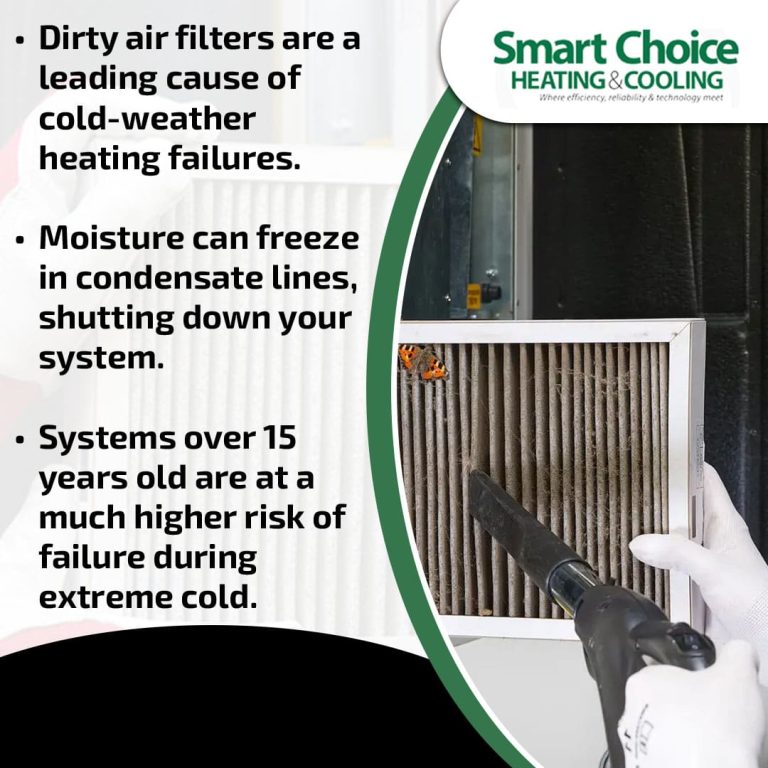
Restricted airflow remains one of the leading causes of cold-weather breakdowns. Dirty or neglected air filters reduce circulation, forcing systems to work harder to move heated air through the home. As internal temperatures rise, built-in safety controls activate and shut equipment down to prevent damage.
A large portion of emergency calls for heating repair in Vancouver during cold snaps stems from airflow-related issues. In many cases, the underlying problem involves filter maintenance that could have been addressed earlier. When left unresolved, minor airflow restrictions often escalate into after-hours service calls during the coldest nights of the season.
Moisture and Electrical Stress Compound Cold-Weather Problems
Moisture plays a significant role in winter system failures throughout the Pacific Northwest. Condensation can freeze inside heating equipment during rapid temperature drops, restricting drainage pathways and reducing heating capacity. Heat pumps may experience frost accumulation on exterior coils, while furnaces can struggle with frozen condensate lines.
Electrical components face similar challenges. Cold temperatures cause wiring and connections to contract, increasing the risk of signal interruptions between thermostats and heating equipment. Control boards and sensors are especially vulnerable in older systems where repeated thermal expansion and contraction have weakened electrical connections over time.
Heat Pump Performance Varies During Extended Freezing Conditions
Heat pump operation during cold snaps depends heavily on system age and configuration. Standard residential units operate efficiently down to a defined balance point. Below that range, defrost cycles occur more frequently, and heating output may struggle to keep pace with building heat loss.
Older systems or those not designed for prolonged freezing conditions may fail to maintain indoor comfort. These performance patterns often signal the need to evaluate whether existing equipment or a future heat pump installation that homeowners rely on can support extended winter demand.
Aging Equipment Faces Higher Failure Rates in Cold Weather
System age remains one of the strongest predictors of failure during cold snaps. Furnaces and heat pumps exceeding 15 years of service account for a large share of emergency calls during extreme cold. Older equipment lacks modern controls that adjust output smoothly during rapid temperature changes.
Declining motor capacity, worn heat exchangers, and outdated electronics increase both reliability and safety concerns. In many cases, repeated cold-weather breakdowns point toward heater installation as a more practical long-term solution than continued repairs.
Preventive Maintenance Reduces Emergency Winter Repairs
Routine maintenance remains the most effective way to reduce winter heating failures. Regular inspections identify airflow issues, ignition wear, and electrical weaknesses before they escalate. The U.S. Department of Energy reports that proper HVAC operation and maintenance can reduce energy use by 5 to 20 percent annually while improving system reliability during peak demand.
Smart Choice Heating & Cooling, Inc. notes that homeowners who address these issues before freezing weather arrives are less likely to experience sudden system shutdowns during cold snaps.

Heater Repair For Vancouver Homes
Cold snap heating failures follow predictable patterns tied to airflow, moisture, and system age. Addressing these risks before temperatures drop helps homeowners avoid sudden loss of heat and related damage. Vancouver homeowners are encouraged to schedule a heating system inspection with Smart Choice Heating & Cooling, Inc. before the next cold snap arrives. Contact them at (360) 260-9199 or contactus@smartchoicehvac.com for heater repair in Vancouver.
About The Company
Smart Choice Heating & Cooling, Inc. is a family-owned HVAC company based in Vancouver, Washington, serving Clark County and surrounding communities since 2007. The company provides residential heating and air conditioning in Vancouver, WA, and is recognized as a Bryant Factory Authorized Dealer.


Contact Information:
Smart Choice Heating & Cooling, Inc.
7405 NE 94th Ave
Vancouver, WA 98662
United States
Brandon Ortiz
(360) 260-9199
https://www.smartchoicehvac.com/wp-admin/
Original Source: https://www.smartchoicehvac.com/why-heating-systems-fail-during-vancouver-cold-snaps/

