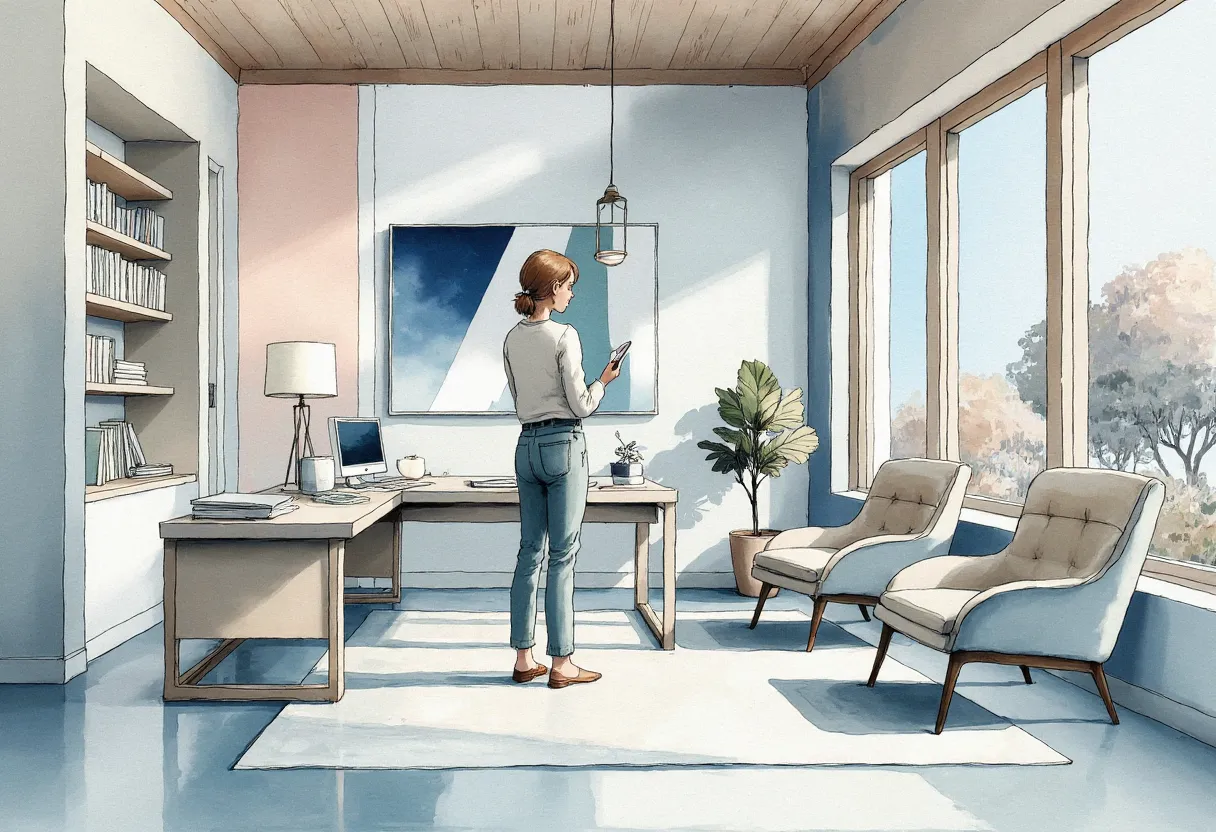
The office development industry is confronting a new reality in the wake of COVID-19, according to Spencer Levine, president of RAL Companies. With remote work now a viable option for many employees, office space must compete on experience rather than necessity. Levine contends that hospitality design principles, long tested in hotels and resorts, provide a clear framework for creating office environments that people actually want to use.
“We took what we’ve learned from the hospitality world, and we put that into an office building about how people use spaces,” Levine says, referencing RAL’s Zero Irving project in New York. “We made it about creating an office that was more than just a place to work. We wanted people to feel comfortable, to want to come in because of the light and air, the amenities, and a hospitality-type feel.”
Levine emphasizes that this distinction matters because hospitality projects have continuously operated under a constraint that office developers are only now facing: users must choose to be there.
The Hospitality Feedback Loop
Levine explains that his firm’s hospitality work exposed them to a type of user feedback office developers rarely encountered. “There’s something unique about hospitality work,” he says. “Every person who comes into that lobby, because you have this constant turnover, brings a unique perspective on what you’ve delivered.”
This constant flow of feedback, Levine says, demands a level of design rigor that office development has traditionally avoided. “You can sit in the lobby and watch people’s reactions as they walk through the door,” he notes. “It’s the coolest thing, because you don’t get that with any other building type.”
RAL’s hospitality portfolio includes projects for Four Seasons and the former Capella Telluride, which opened in 2009 during the financial crisis. Levine says the project was “our crash course in hospitality” and reshaped the firm’s approach to user experience across all property types.
“The understanding of what goes into a condominium project, taking that personal responsibility with the offering plan and the Attorney General, gave us a unique position to start delivering hospitality,” Levine says. “You require that same level of personal commitment and detail.”
Managing Multiple Stakeholders
Levine notes that hospitality projects succeed because developers learn to balance the priorities of multiple stakeholders. “In hospitality, there are so many voices – the brand, the food and beverage operator, ownership, housekeeping,” he says. “Working on these projects gave us the skills to understand what’s important to each group and how to balance those competing interests.”
This experience translates directly to office development in today’s market, where tenant expectations have changed. Companies can no longer offer functional workspace; they must create environments that compete with the comfort and flexibility of working from home.
Levine argues that this shift requires treating office buildings as dynamic assets that require ongoing management and improvement, rather than static products. “We learn from all of our projects as we move forward,” he says. “We don’t make changes on our projects. We learn from our projects and correct them on the next one.”
The Competitive Implication
Levine believes that office developers who can deliver hospitality-level user experiences will have a significant advantage in markets where occupancy is no longer guaranteed. A building designed with the same attention to light, air, materials, spatial flow, and amenities as a luxury hotel becomes a destination, not just a workplace.
This approach is especially relevant in urban office markets, where competition for tenants is intense, and companies are reconsidering their need for physical office space.
Levine says RAL’s current projects reflect this philosophy. The firm is developing Roan, a 21-townhome project in Steamboat Springs, Colorado, where the amenity building serves as a “real home base” for residents to experience the full range of offerings. At the Mandarin Oriental Grand Cayman, Levine says site planning and landscape architecture are crucial to creating the comprehensive experience that motivates buyers of branded residential units.
“My knowledge base in land planning and landscape architecture gives us a unique seat at the table,” Levine says. “What drives someone to buy a branded residential unit at the Mandarin Oriental? It’s not just the brand, it’s the whole experience.”
Looking Ahead
Whether other office developers will follow this hospitality-influenced approach depends on how occupancy rates evolve and whether buildings designed for user experience show better leasing and retention than traditional office products. The shift toward experience-driven office design is a response to clear market signals: tenants now expect more, and the old model of simply providing desks and conference rooms is no longer sufficient.
As remote work remains a viable alternative, office buildings must compete for occupants by offering welcoming, functional, and engaging environments. Levine’s argument is straightforward: developers who apply hospitality’s lessons about user experience, feedback, and stakeholder management will be better positioned to succeed in a market where choice, not necessity, drives occupancy.

